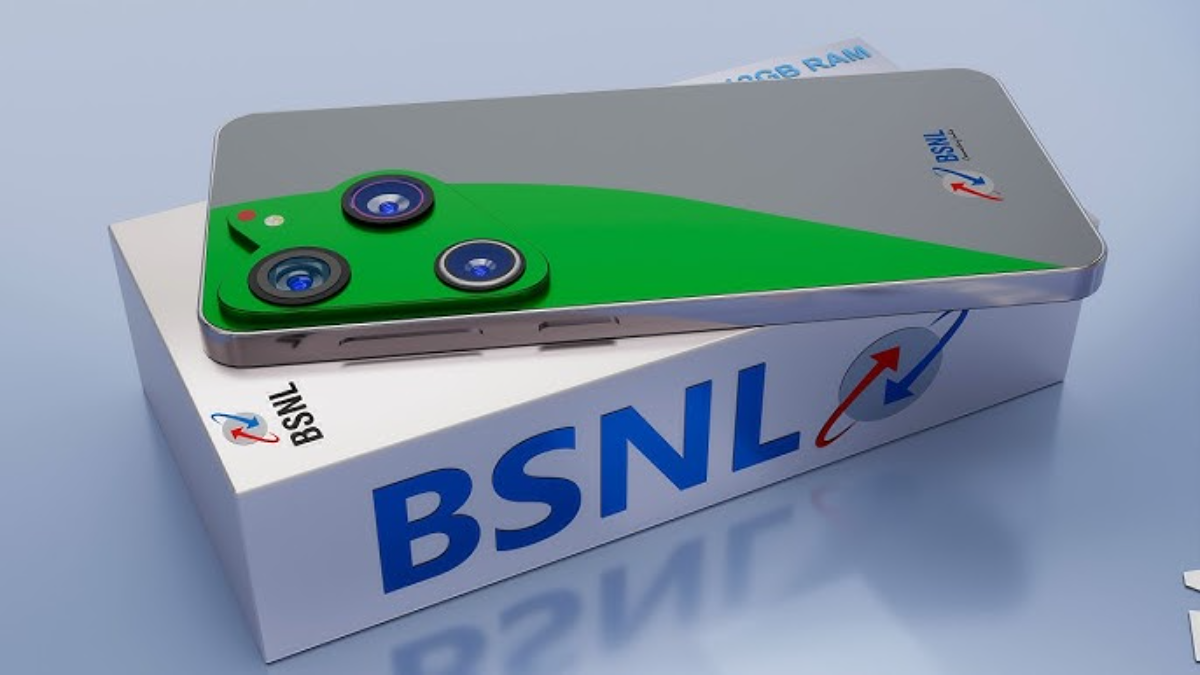
Bharat Sanchar Nigam Limited (BSNL), India’s state-run telecom giant, is reportedly planning to enter the smartphone market with its very own 5G-enabled device. This strategic move marks a bold transformation for the telecom provider, which has traditionally focused on mobile connectivity and government-backed network infrastructure.
As India pushes for tech sovereignty and domestic innovation under the Make in India campaign, BSNL’s potential leap into the 5G smartphone space is both timely and aligned with national objectives. For millions of Indians, especially those in rural and underserved regions, this could bring affordable, reliable 5G connectivity within reach like never before.
Why a BSNL 5G Smartphone Makes Sense
BSNL isn’t just another telecom provider — it has one of the widest network coverages in the country, especially in tier-2, tier-3 cities, and remote rural areas. Unlike many private operators, BSNL has consistently maintained a presence where other companies don’t reach. This gives the company unique insight into what Indian users actually want from their smartphones.
With its 5G rollout gaining momentum, a proprietary smartphone designed specifically for BSNL’s network could help the telco optimize connectivity, battery life, and even cost. Instead of relying on third-party devices, BSNL could launch a phone that’s perfectly tuned to its own infrastructure — creating a smoother and more stable user experience.
Manufacturing and Local Partnerships: The Road Ahead
For BSNL to successfully produce a smartphone, it would need to build or partner with facilities focused on hardware production, software integration, and distribution logistics. While this represents a significant shift from its core operations, the company’s strong brand trust and government support could give it an edge.
By collaborating with Indian electronics manufacturers or using Public-Private Partnership (PPP) models, BSNL could potentially overcome hurdles like chip sourcing, assembly, and software deployment. Its vast network of customer support centers and local retail outlets will also aid in delivering after-sales services — something that many foreign smartphone brands struggle with in India.
What Features Can We Expect?
If rumors hold true, the BSNL 5G smartphone could come with a powerful 6800mAh battery, addressing one of the biggest concerns for users in low-electricity or off-grid regions. The device is expected to feature a clean Android interface, likely based on Android 14 or higher, with pre-installed government service apps and multi-language support.
BSNL may also include advanced security layers and optimizations for their own network frequencies, making this phone particularly well-suited for Indian conditions. Other expected features could include:
-
5G Dual SIM support
-
Budget-friendly pricing under ₹15,000
-
A large Full HD+ display
-
Lightweight, durable build
-
Built-in BSNL and Digital India services
These features would make the device extremely attractive not only to first-time smartphone users but also to those looking for a secondary 5G phone with excellent battery life and local service support.
Aiming for Affordability and Accessibility
One of the most significant selling points for a BSNL-branded 5G smartphone would likely be its pricing strategy. Unlike private smartphone makers who focus on high margins, BSNL may choose to prioritize mass adoption and public utility. This would align with their government mandate to support digital inclusion across income brackets.
BSNL could bundle the phone with low-cost prepaid or postpaid plans, offering even more value. Imagine purchasing a BSNL 5G smartphone that comes with 6 months of unlimited calls and data — an offer that could completely change India’s budget smartphone market dynamics.
A Model for India’s Digital Self-Reliance
Should this venture succeed, BSNL’s move into smartphone manufacturing would serve as a case study for how public-sector enterprises can innovate and thrive in highly competitive consumer electronics markets. It also paves the way for India’s digital independence, reducing reliance on foreign brands and systems.
BSNL’s future smartphone could be more than just a gadget — it might become a symbol of inclusive, homegrown technology designed for the needs of every Indian, from farmers and students to professionals and entrepreneurs.
Disclaimer: This article is for informational purposes only and based on current industry reports. Official product specifications, pricing, and release timelines have not been confirmed by BSNL. Readers are advised to refer to official announcements before making any purchasing decisions. The author assumes no responsibility for any decisions made based on this article.